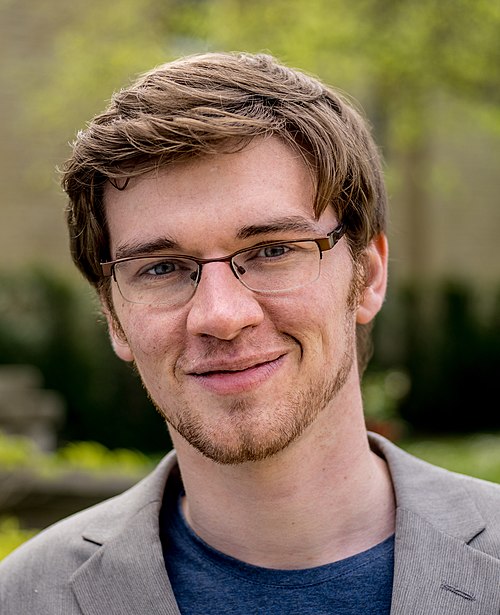
Founder
William MacAskill
b. 1987Co-founded Effective Altruism and formalized longtermism. Author of “What We Owe the Future”; estimated 10²⁴ future people. Mentored and later defended Sam Bankman-Fried.
Wikipedia →The future is so big it cancels the present.
The view that positively influencing the long-term future is a — or the — key moral priority of our time. The final letter of TESCREAL and, critics argue, the philosophy that turns the whole bundle into a mandate: a justification for almost any present-day cost in the name of trillions of unborn people.
Longtermism starts from a premise few would reject — that future people matter — and runs it through utilitarian arithmetic until it arrives somewhere alarming. If the future could hold 10²⁴ or 10⁵⁸ people, then even a vanishingly small reduction in the risk of extinction outweighs curing every present disease, ending every present famine, reversing every present injustice. Born inside Effective Altruism and built on the foundations of Transhumanism and Cosmism, longtermism reframes existential risk — above all AI — as the supreme moral priority, and the present eight billion as a rounding error on the way to the stars.
Longtermism begins with a claim almost no one disputes: future people matter morally just as much as present people. A child who will suffer in a thousand years counts no less than a child suffering today; distance in time, like distance in space, is not a reason to discount someone's welfare.
From this gentle seed grows something far stranger. If future people count equally, and if there could be astronomically many of them, then the sheer scale of the future swamps every present concern. As philosophers Hilary Greaves and William MacAskill put it in their founding paper, the far future contains so much potential value that affecting it becomes “the thing we should focus on” — what they call strong longtermism. The premise is humane. The conclusion is that the present is a rounding error.
The engine of longtermism is multiplication. Nick Bostrom's 2003 essay “Astronomical Waste” argued that every century we delay colonizing the cosmos forfeits an unimaginable number of possible lives. MacAskill and Greaves estimate roughly 10²⁴ future humans; Bostrom's upper figures reach 10⁵⁸ digital posthuman lives. Against numbers like these, any action that nudges the probability of a vast future upward — even by a millionth of a percentage point — mathematically outweighs helping everyone alive today.
This is expected-value reasoning taken to its limit. When the payoff is large enough, the probability almost stops mattering. Critics call this structure Pascal's Mugging: a tiny chance of an enormous reward can be used to justify almost anything, because the math always says yes.
Longtermism is the youngest letter of TESCREAL and, in a sense, the keystone. It grew out of Effective Altruism — which began with malaria nets and cost-effectiveness spreadsheets — through what insiders call the movement's “longtermist turn” of the late 2010s. By 2022, AI existential risk had become EA's dominant cause, consuming the bulk of Open Philanthropy's grantmaking and reshaping the movement's identity.
It also supplies the missing justification for the rest of the bundle. Transhumanism wants to build the posthuman; Cosmism wants to fill the universe; longtermism explains why this is the most important thing anyone could possibly do. As Émile P. Torres warns, “when you believe the stakes are cosmically high, you'll use extraordinary means to stop anyone who stands in your way.” The collapse of FTX — whose founder Sam Bankman-Fried funneled fortunes into longtermist causes — gave the world a first look at what those extraordinary means can become.
The doctrines that recur across the movement's founders, theorists, and builders.
A person who will live in ten thousand years matters exactly as much as a person alive now. Temporal distance carries no moral discount — the foundational, and most defensible, longtermist claim.
Humanity's potential lifespan spans millions of years and possibly the whole reachable universe. The number of people who could exist dwarfs the number who already have by factors of 10²⁴ and beyond.
If future people matter and there are unimaginably many of them, then influencing the long-term trajectory of civilization outweighs almost any present-day good. This is the move to “strong” longtermism.
Extinction or permanent collapse would erase the entire astronomical future. Preventing it — “safeguarding humanity's potential” — therefore becomes the most important thing we can do.
Decisions are judged by probability times payoff. When the payoff is trillions of lives, even a microscopic change in the odds outranks certain, immediate benefits to the living.
Misaligned artificial general intelligence is framed as the most probable and most total existential threat — which makes AI alignment, by the math, the most consequential problem in human history.
The specialized terms you need to read the movement in its own words.
Founders, theorists, builders, and financiers of the project.
Co-founded Effective Altruism and formalized longtermism. Author of “What We Owe the Future”; estimated 10²⁴ future people. Mentored and later defended Sam Bankman-Fried.
Wikipedia →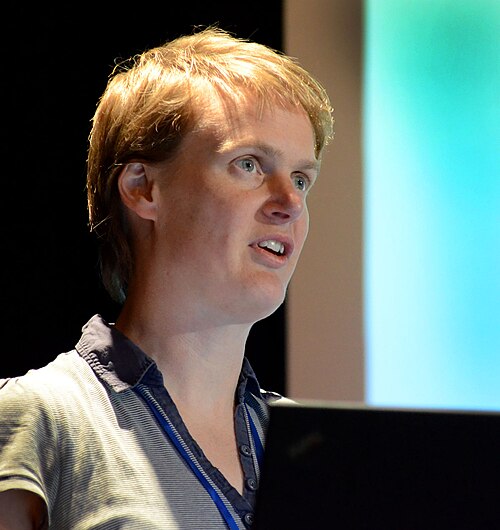
Oxford philosopher and founding director of the Global Priorities Institute. Co-author with MacAskill of “The Case for Strong Longtermism,” the movement's defining paper.
Wikipedia →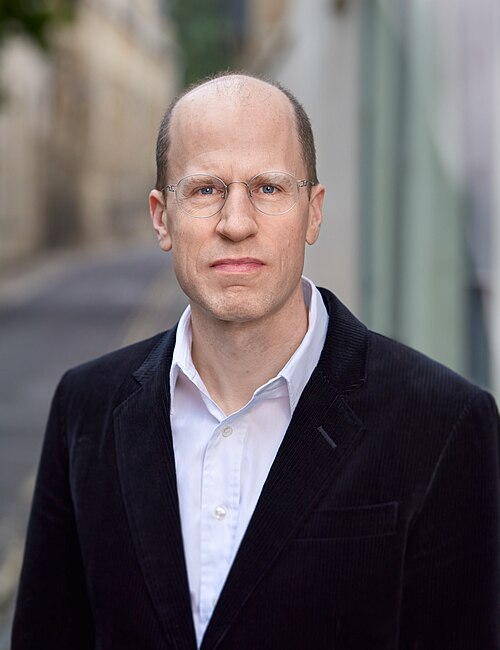
Founded the Future of Humanity Institute; wrote “Astronomical Waste” and estimated up to 10⁵⁸ future digital lives. The bridge from transhumanism to existential risk.
Wikipedia →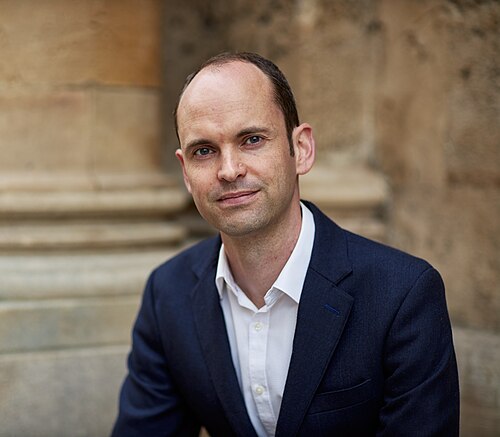
Co-founded the CEA and Giving What We Can. “The Precipice” put a number on doom — ~1-in-6 this century, 1-in-10 from unaligned AGI.
Wikipedia →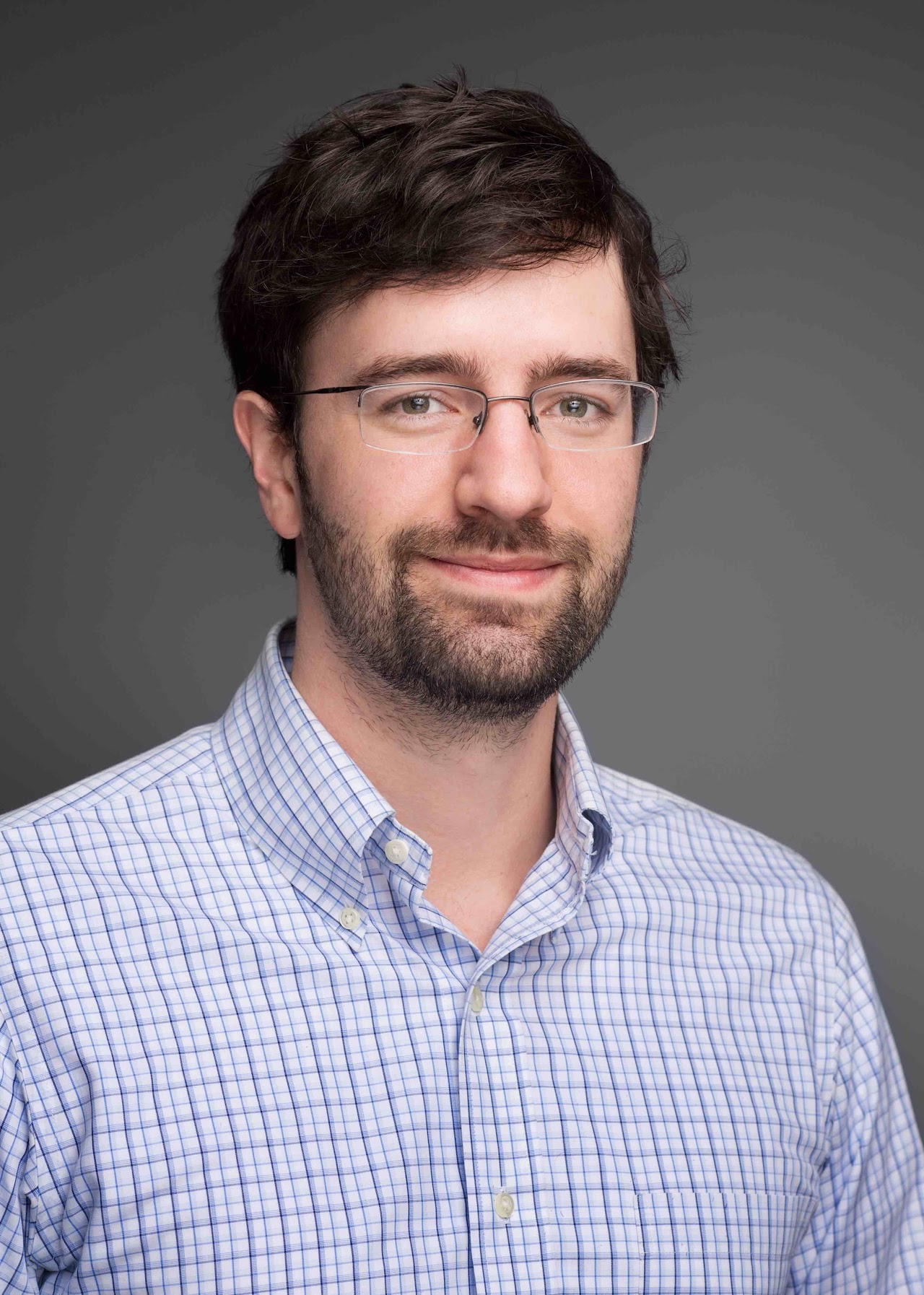
His thesis argued shaping the far future is overwhelmingly important — and that saving lives in rich countries is worth more because they drive “substantially more” innovation. Ran the FTX Future Fund.
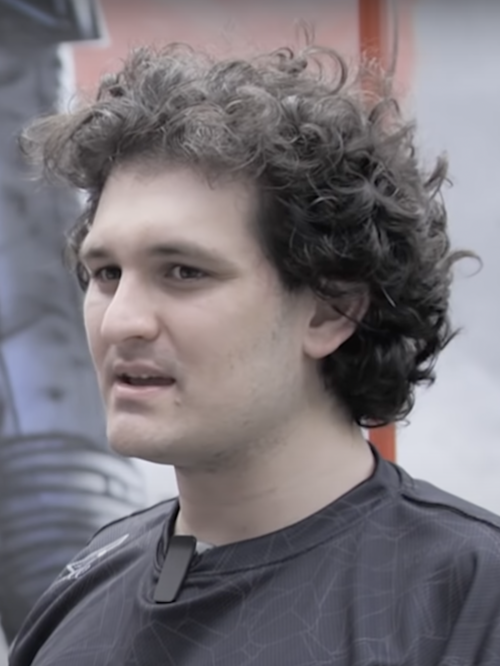
EA's biggest longtermist donor via FTX. Radicalized by MacAskill's “earn to give,” he built the FTX Future Fund — then collapsed in one of history's largest frauds.
Wikipedia →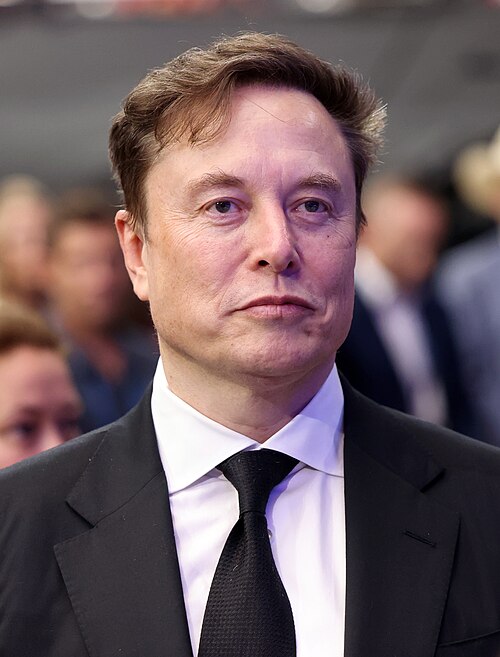
Called MacAskill's “What We Owe the Future” “a close match for my philosophy.” His drive to make humanity multiplanetary is longtermism in corporate form.
Wikipedia →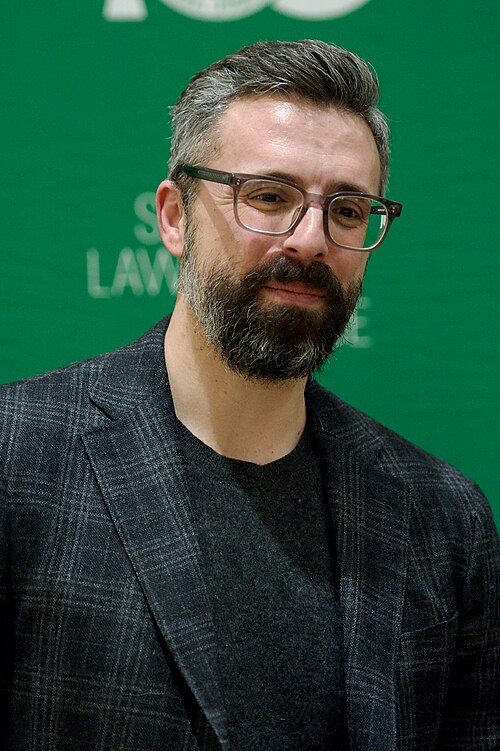
Influential journalist who engaged sympathetically with longtermism and blurbed MacAskill's book; co-author of “Abundance,” a politics of techno-optimist growth.
Wikipedia →
Journalist and co-author with Klein of “Abundance.” Critics read the book's growth-at-all-costs futurism as longtermism's neoliberal cousin.
Wikipedia →The essays, declarations, and books that built the doctrine.
The founding statement. Argues that influencing the far future is not just important but the most important feature of our actions — the paper that named the doctrine.
Read ↗The intuition pump beneath it all: every century of delay forfeits an astronomical number of possible lives, so survival and speed eclipse all else.
Read ↗Defined the category that longtermism elevates above all others — threats that would erase humanity's entire potential future.
Read ↗The doctoral thesis that built the academic scaffolding for longtermism — and contained the notorious argument that rich-country lives are worth more.
Read ↗Brought existential risk to a mass audience with hard numbers on extinction and a call to “safeguard humanity's potential.”
Read ↗The bestselling popular manifesto. Endorsed by Elon Musk as “a close match for my philosophy” — and criticized for treating nature and climate as expendable.
Read ↗Worth reading. This is a close match for my philosophy.— Elon Musk, on “What We Owe the Future”
When you believe the stakes are cosmically high, you'll use extraordinary means to stop anyone who stands in your way.— Émile P. Torres, Current Affairs
Positively influencing the long-term future is a key moral priority of our time.— William MacAskill (paraphrased)
Even a tiny reduction in existential risk outweighs the benefit of saving billions of lives today.— Longtermist expected-value reasoning (paraphrased)
Longtermism markets itself as moral seriousness extended across time — caring about people simply because they don't exist yet. Critics, led by Émile P. Torres (who calls it “the world's most dangerous secular credo”), argue the arithmetic launders a far older and uglier project: deciding which lives, and which kinds of people, are worth bringing into the future.
If 10²⁴ future lives are at stake, then poverty, famine, and injustice today shrink to statistical noise. Torres and others note this lets adherents wave away present suffering as trivial next to the cosmic jackpot.
MacAskill argues wild-animal lives are “worse than nothing on average” — so habitat loss can be net positive — and that even 7–10°C of warming is “hard to see” causing collapse, with fossil fuels saved for a post-collapse second industrial revolution. In the sixth mass extinction, critics call this monstrous.
Nick Beckstead's thesis argued that saving lives in rich countries is worth more because those countries produce “substantially more” innovation that shapes the far future. The neutral-sounding math reaches an unmistakably hierarchical conclusion.
Torres and Gebru argue that choosing which futures and which “kinds of people” to bring about is eugenic logic at cosmic scale — the same selection premise as 20th-century eugenics, rebranded as concern for the unborn.
Transhumanism does not stand alone. It feeds — and is fed by — the other letters of TESCREAL.
People, organizations, and the ideologies this one bleeds into. Drag nodes, hover to isolate, scroll to zoom — or pop it out fullscreen.
Primary documents and reporting used on this page. See the full References library → for the complete source list.