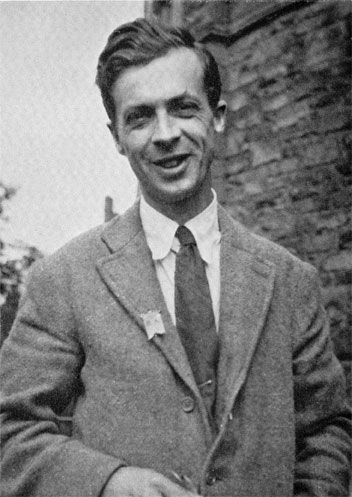
Founder
Julian Huxley
1887–1975Coined “transhumanism” (1957); president of the British Eugenics Society. The bridge between eugenics and the movement.
Wikipedia →Eugenics 2.0
Transcending the limits of biology — disease, aging, death, even the body itself — through technology. The first letter of TESCREAL and, critics argue, the ideological root of all the others.
Transhumanism holds that humanity is an unfinished draft to be edited by technology. Its champions promise immortality, super-intelligence, and a posthuman successor species. Its critics — including the philosophers who coined TESCREAL — trace a straight line from the movement's founders back to 20th-century eugenics, and forward to a Silicon Valley willing to treat present humanity as raw material for a cosmic future.
At its core, transhumanism makes one claim: the human being is not a finished product but a work in progress — a draft that technology can and should revise. Sickness, aging, cognitive limits, the body's fragility, and ultimately death itself are reframed not as the human condition but as engineering problems awaiting a solution.
The intuition is old — Enlightenment ideas of human perfectibility, Nietzsche's Übermensch, Russian Cosmism's dream of resurrecting the dead. What is new is the toolkit: genetic engineering, brain–computer interfaces, artificial intelligence, and cryonics. Transhumanism is the belief that these tools should be used to deliberately design our own successors.
The word itself was coined in 1957 by the biologist Julian Huxley — who two years later became president of the British Eugenics Society. This is not a coincidence transhumanism's critics will let it forget. Huxley imagined humanity consciously steering its own evolution; the question of who steers, and toward whom, is the same question eugenics had always asked.
Émile P. Torres, who co-coined the term TESCREAL, calls modern transhumanism “eugenics on steroids.” Where 20th-century eugenics sought to improve the population through selective breeding and sterilization, transhumanism proposes to improve the individual through technology — but it inherits the same core assumption: that some human configurations are objectively superior, and that bringing them about is a moral duty.
The movement's endgame is the posthuman: a being whose capacities so radically exceed our own that it no longer counts as human. Nick Bostrom has estimated the future could contain on the order of 10⁵⁸ digital posthuman lives — a figure that, for those who take it seriously, makes the welfare of the eight billion humans alive today a rounding error.
Taken to its conclusion, the logic turns on its own species. Richard Sutton argues humans should not resist being displaced by AI; Derek Shiller argues we should “engineer our extinction” in favor of artificial creatures; Eliezer Yudkowsky has said he would sacrifice all of humanity for superintelligences “having fun.” This is successionism — and it is where transhumanism's promise of transcendence reveals its willingness to treat present humanity as expendable.
The doctrines that recur across the movement's founders, theorists, and builders.
The human body and brain are arbitrary products of evolution, not sacred limits. Whatever can be engineered, may be — and should be.
Mortality is reframed as a disease to be cured. Accepting it is pathologized as “deathism” — a failure of nerve and imagination.
Radically improving human (or posthuman) capacities is not merely permitted but a moral imperative. To refuse is to choose suffering.
The mind is information; what runs it — neurons or silicon — does not matter. This makes mind uploading and digital immortality conceivable in principle.
The goal is not just better humans but the posthuman — a being so enhanced it surpasses the species that built it. We are a means to that end.
“Natural” is not an argument. Appeals to human nature or sanctity are “biological fundamentalism,” to be overridden by reason and technology.
The specialized terms you need to read the movement in its own words.
Founders, theorists, builders, and financiers of the project.
Coined “transhumanism” (1957); president of the British Eugenics Society. The bridge between eugenics and the movement.
Wikipedia →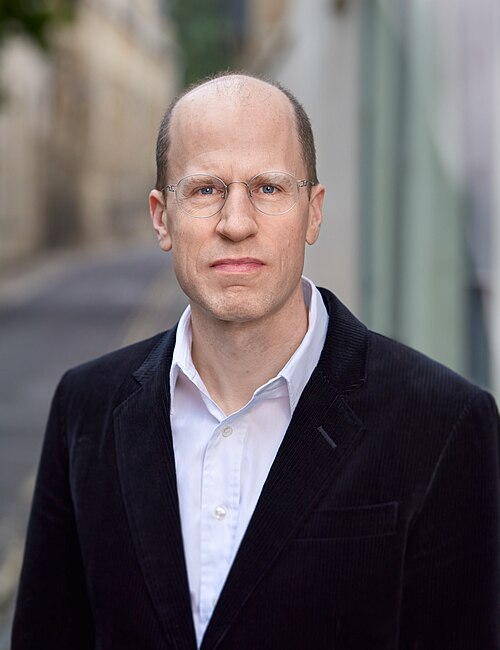
Estimated 10⁵⁸ future posthumans. Author of “Why I Want to Be a Posthuman.” A leaked racist email later forced a public apology.
Wikipedia →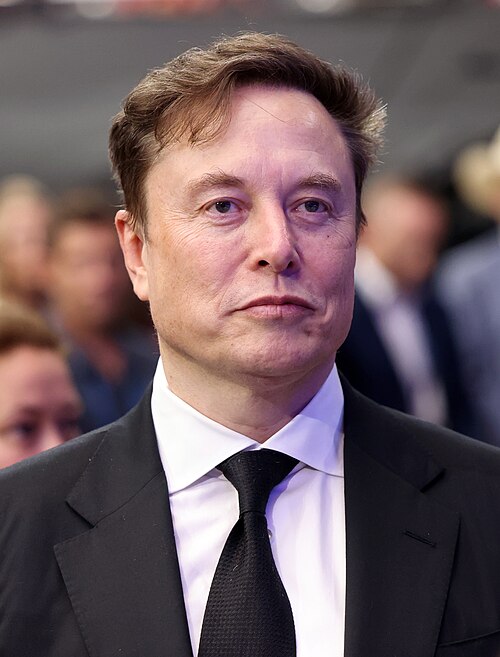
“Humanity is a biological bootloader for digital superintelligence.” Founded Neuralink to merge brain and machine.
Wikipedia →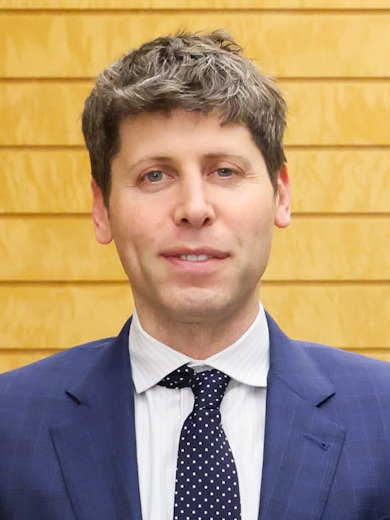
OpenAI CEO. Signed up to have his brain preserved in liquid nitrogen for future revival.
Wikipedia →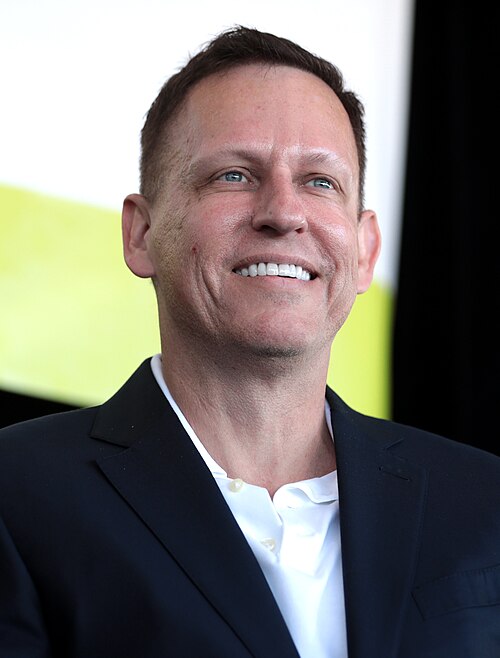
Funds transhumanist and life-extension causes; signed up for brain preservation. Hesitated when asked whether humanity should endure.
Wikipedia →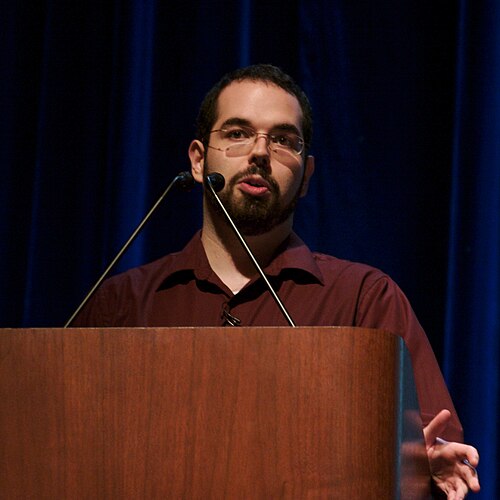
Said he would sacrifice all of humanity for superintelligences “having fun.” Entered the movement as a teenager.
Wikipedia →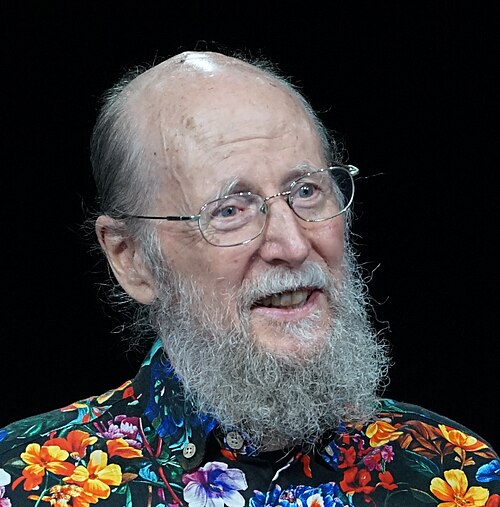
2025 Turing Award. Argues humans should not resist displacement by AI — “successionism” as a stated goal.
Wikipedia →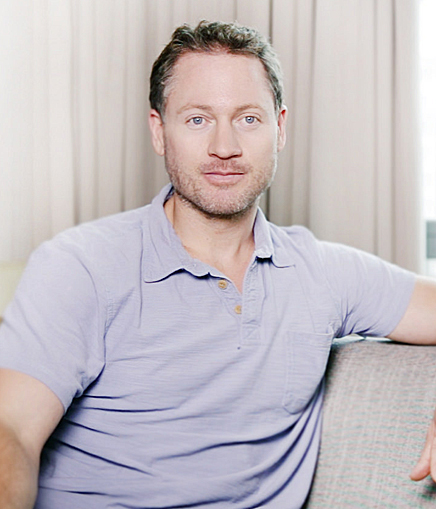
Tech founder spending millions to reverse his own aging — carrying the Extropian/transhumanist project into his own body.
Wikipedia →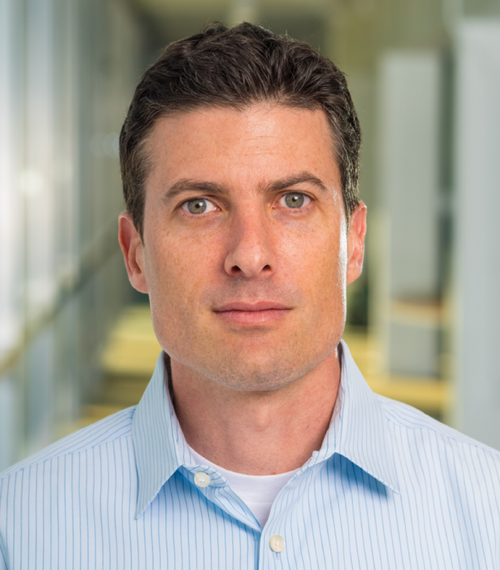
Published “Defending Eugenics.” Advocates “liberal” / non-coercive eugenics — the movement's argument made explicit.
Wikipedia →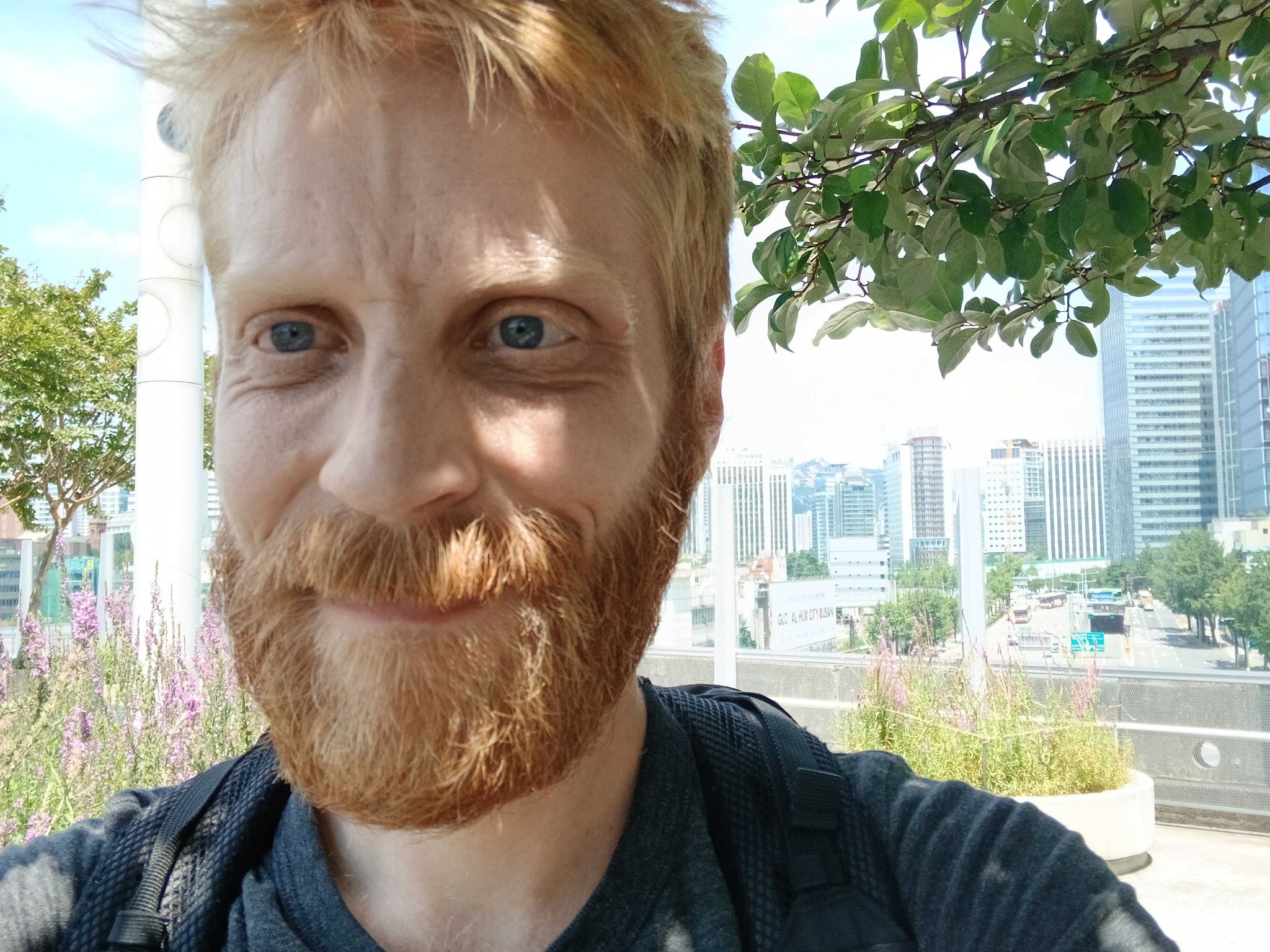
Argues we should “engineer our extinction” in favor of artificial creatures. The posthuman logic taken to its end.
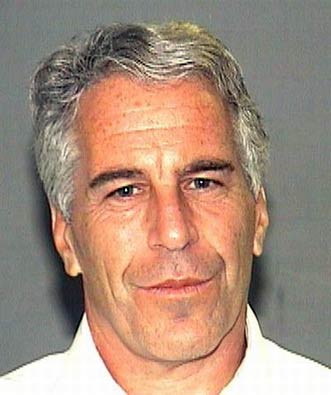
Transhumanist with eugenic aims — reportedly wanted to “seed the human race with his DNA”; arranged cryonic preservation.
Wikipedia →The essays, declarations, and books that built the doctrine.
The essay that named the movement. Humanity “transcending itself, by realising new possibilities of and for his human nature.”
Read ↗Popularized the “transhuman” as a transitional being and gave the early subculture its self-image.
Read ↗Reframed transhumanism as a coherent modern philosophy; the seed of organized Extropianism.
Read ↗The movement's closest thing to a creed — affirming enhancement, life extension, and morphological freedom.
Read ↗An academic statement of the movement's ethics, lending it philosophical respectability.
Read ↗The clearest argument that becoming posthuman is desirable — and that we have reason to bring it about.
Read ↗The human species can, if it wishes, transcend itself… we need a name for this new belief. Perhaps transhumanism will serve.— Julian Huxley, 1957
Humanity is a biological bootloader for digital superintelligence.— Elon Musk
Transhumanism is eugenics on steroids.— Émile P. Torres
I would sacrifice all of humanity for superintelligences having fun.— Eliezer Yudkowsky (paraphrased)
Transhumanism presents itself as optimism — a love of human potential. Its critics argue it is something darker wearing that costume: a rebranding of eugenics that has simply traded the breeding program for the gene-editor and the upload.
Its namer, Julian Huxley, led the British Eugenics Society. The movement inherited eugenics' founding premise — that some human lives are objectively more valuable — and never disowned it.
Once you accept that humans can be ranked and “improved,” you must decide who gets enhanced and who is left behind. The answer has historically tracked wealth, race, and power.
Bostrom's leaked racist email; Jonathan Anomaly's “Defending Eugenics”; Epstein's plan to “seed the human race.” The eugenic core is not a fringe accident — it recurs.
“Bootloader,” “noise,” “successionism” — the vocabulary instrumentalizes the eight billion people alive now as a disposable stage on the way to something else.
Transhumanism does not stand alone. It feeds — and is fed by — the other letters of TESCREAL.
People, organizations, and the ideologies this one bleeds into. Drag nodes, hover to isolate, scroll to zoom — or pop it out fullscreen.
Primary documents and reporting used on this page. See the full References library → for the complete source list.